


Table of Contents
Si vous avez déjà ouvert un petit paquet vert de feuilles d'algues coréennes croustillantes, salées et presque légères, et que vous avez dévoré le tout en moins d'une minute, vous savez déjà pourquoi le gim (김) est la star discrète des snacks coréens. L'algue marine grillée coréenne est l'une des exportations alimentaires les plus réussies du pays, un aliment de base quotidien dans les boîtes à lunch des écoles, et la raison pour laquelle la Corée du Sud fournit désormais environ 70 % de la laverbread séchée mondiale.
Ce guide explore tout ce qu'il faut savoir sur les snacks d'algues coréennes : ce qu'est réellement le gim, la différence entre le gim coréen et le nori japonais, les marques et les saveurs les plus populaires, comment le manger comme un local, et où acheter des algues coréennes authentiques en dehors de la Corée.
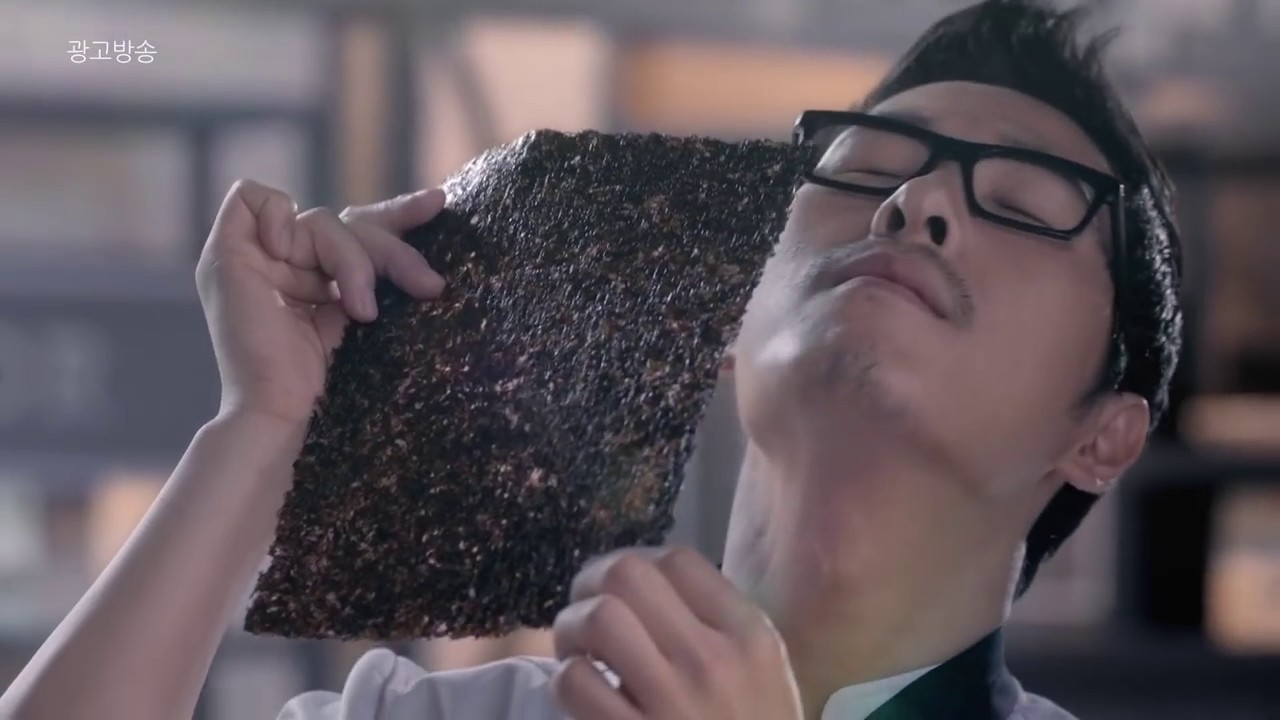
Qu'est-ce que le Gim Coréen ?
Le gim est le terme coréen désignant les feuilles séchées d'algues rouges comestibles, traditionnellement des espèces comme Pyropia, qui ont été récoltées, lavées, pressées à plat et séchées en fines feuilles ressemblant à du papier. La majeure partie du gim que l'on trouve dans les rayons des snacks coréens est du jaerae gim (재래김), un style plus épais et plus dense, ou du jaban gim (자반김), un style plus fin et croustillant badigeonné d'huile de sésame ou d'huile d'olive et grillé avec du sel. Les deux sont vendus en petits paquets prêts à consommer, parfaits pour le grignotage.
Le gim fait partie de la cuisine coréenne depuis au moins 400 ans, avec des documents écrits sur la récolte d'algues sur la côte sud remontant à la dynastie Joseon. Aujourd'hui, les villes de Wando, Goheung et Seocheon sont les principaux centres de production, et le gim est devenu une industrie d'exportation de plusieurs milliards de dollars.
Gim Coréen vs Nori Japonais
Le gim coréen et le nori japonais partagent une ressemblance familiale, mais ce sont des produits différents optimisés pour des usages différents. Le nori est généralement plus fin, plus grand et non aromatisé, conçu pour envelopper les sushis roulés sans masquer le riz et le poisson à l'intérieur. Le gim coréen, en revanche, est généralement pré-assaisonné de sel et d'huile de sésame (ou d'huile d'olive dans les versions plus récentes), donnant à chaque feuille une saveur savoureuse et noisettée à elle seule.
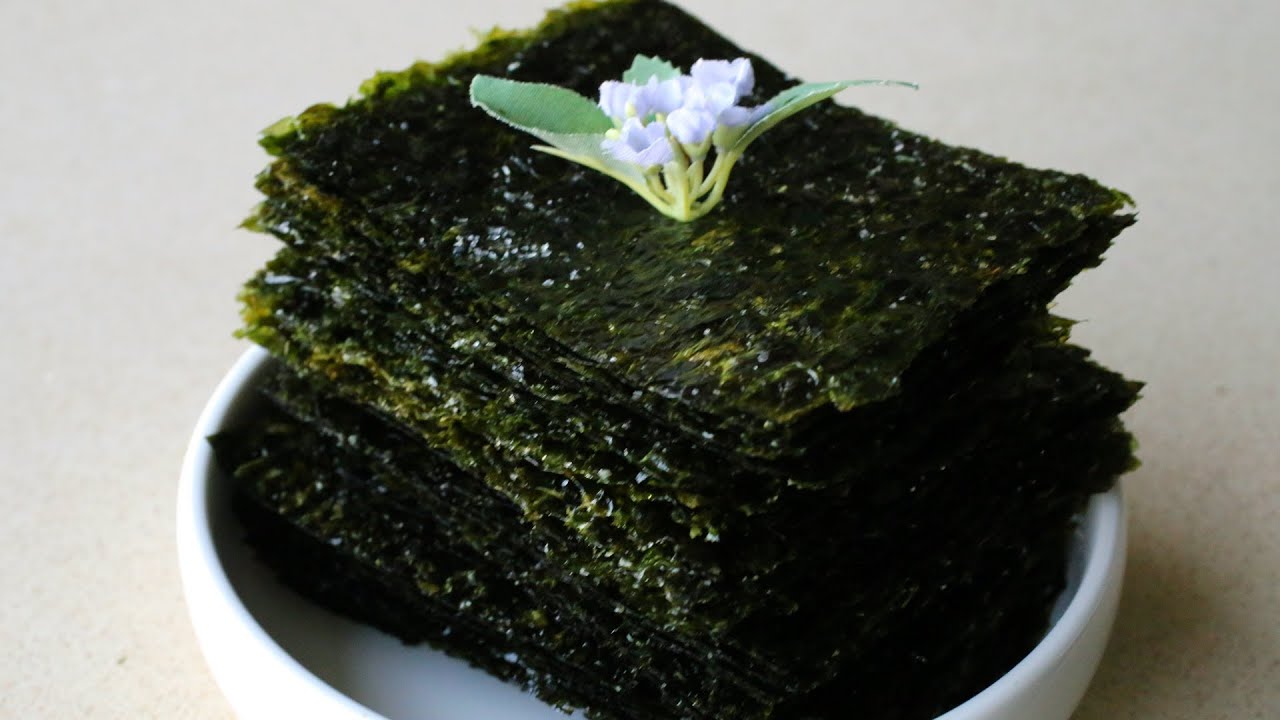
Le résultat est que le gim est souvent consommé directement comme plat d'accompagnement ou comme snack, tandis que le nori est plus souvent utilisé comme enveloppe. La version coréenne du rouleau de riz aux algues, le gimbap, utilise également du gim et a tendance à présenter des garnitures plus fortes et plus variées que le rouleau de sushi maki typique.
Marques Populaires de Snacks d'Algues Coréens
Le rayon des snacks d'algues coréens regorge de marques solides, et la plupart d'entre elles sont désormais disponibles à l'étranger. Yangban, de Dongwon F&B, est l'un des noms les plus anciens et les plus connus, et est largement considéré comme la référence en matière de gim assaisonné. Bibigo, la marque alimentaire mondiale de CJ CheilJedang, est devenue une option internationale populaire avec des saveurs comme Sel Marin, Barbecue Coréen et Piment Fort. Daechun, Kimnori et Ottogi complètent la liste des grandes marques.
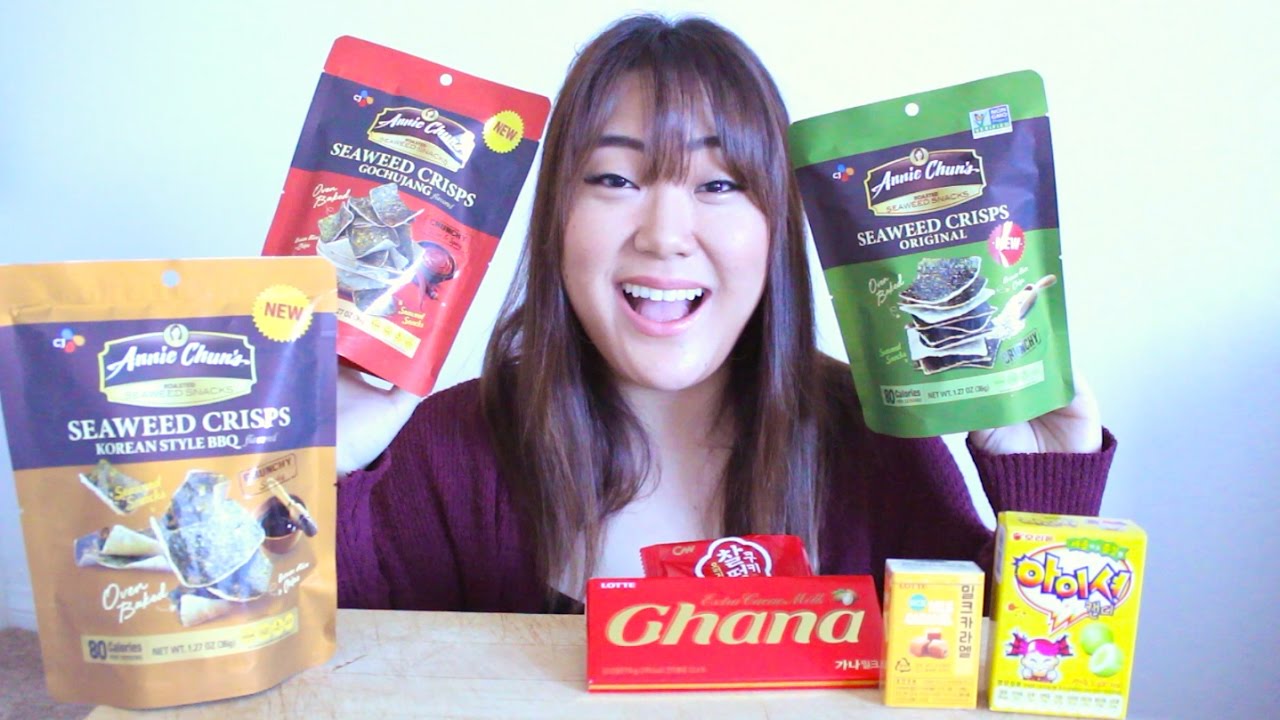
Parmi ces marques, les styles les plus appréciés sont les petits paquets individuels (doshirak-yong, « pour les boîtes à lunch »), les grandes feuilles familiales destinées à la table du dîner, et les croustilles assaisonnées croquantes comme le gim bugak enrobées de pâte de riz gluant sucrée. Les saveurs Piment Fort et Barbecue Coréen ont connu la croissance la plus rapide sur les marchés internationaux.
Gim Bugak et Autres Formes de Snacks
Au-delà des feuilles pré-grillées standard, l'algue marine coréenne apparaît sous plusieurs autres formes de snacks. Le Gim bugak est la variation la plus populaire : une feuille d'algue badigeonnée de pâte de riz collante, saupoudrée de graines de sésame, séchée, puis frite jusqu'à ce qu'elle gonfle pour former un craquelin croquant et savoureux. La texture est plus proche d'une croustille de crevettes que d'une algue grillée ordinaire, et elle est incroyablement addictive.
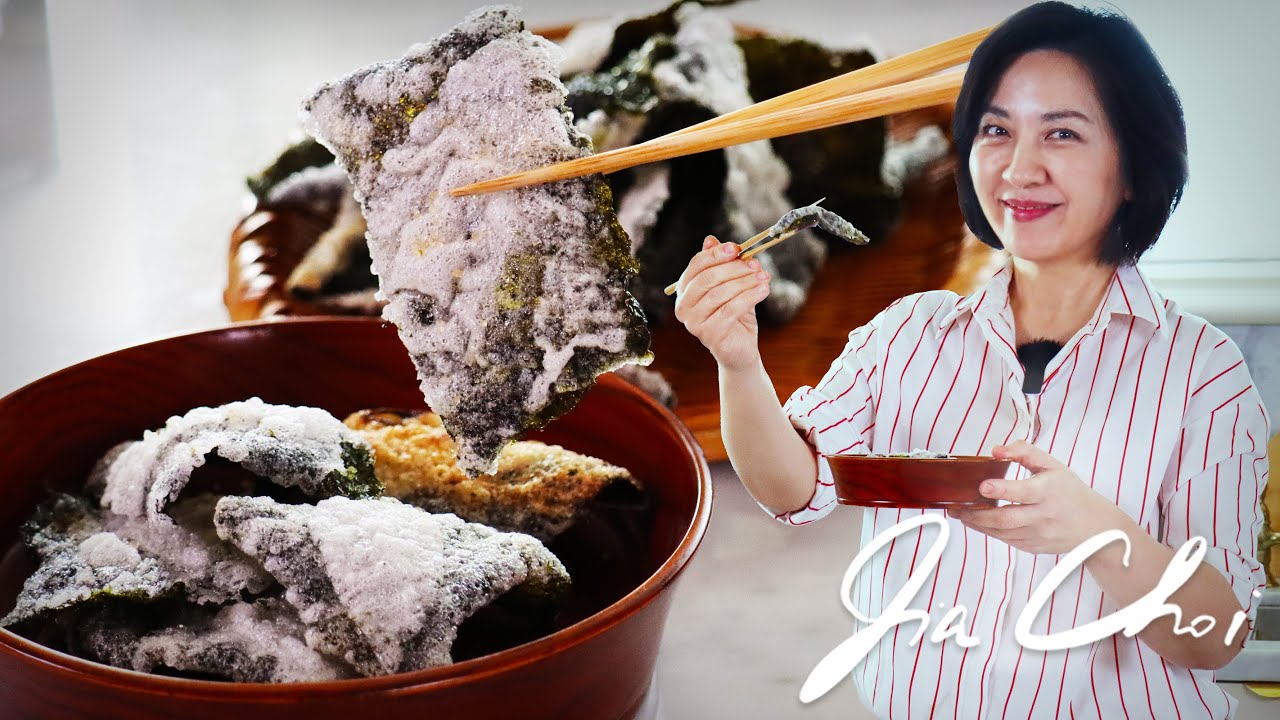
D'autres formes incluent le gim jaban (une algue émiettée et assaisonnée utilisée comme garniture sur le riz), le gim ssam (une seule feuille entière utilisée pour envelopper une bouchée de riz et de banchan), et les petits snacks triangulaires samgak gimbap vendus dans tous les dépanneurs coréens, enveloppés dans une fine feuille de gim que l'on décolle dans un ordre précis.
Comment les Coréens Mangent Réellement le Gim
Pour un repas coréen à la maison, le gim est rarement consommé seul. Une feuille est pliée autour d'une cuillère de riz chaud, parfois avec un morceau de gyeran-mari (omelette roulée coréenne) ou une lamelle de porc grillé, et consommée comme une bouchée à la main. Certaines familles assaisonnent leur propre gim à table en badigeonnant chaque feuille d'huile de sésame et d'une légère pincée de sel juste avant de servir, ce qui maintient la texture croustillante.
En tant que snack, la façon la plus simple de manger du gim est directement dans les petits paquets individuels. Ouvrez-en un, mangez les feuilles en quelques secondes, et passez à autre chose. Les parents coréens les mettent dans les boîtes à lunch des écoles comme contrepoids salé au riz, aux fruits et aux accompagnements. De nombreuses familles coréennes gardent également un grand paquet familial de gim pré-grillé sur la table du dîner, de la même manière que les familles américaines peuvent garder des crackers dans le garde-manger.
L'Industrie des Algues Coréennes
La Corée est devenue le plus grand producteur mondial de laverbread séchée, représentant environ 70 % de l'approvisionnement mondial. La majeure partie provient de fermes marines situées le long de la côte sud, où des structures en bambou ou en filet sont ancrées dans des eaux peu profondes et où les algues y poussent naturellement pendant les mois froids de l'hiver. Récoltées crues, les algues sont ensuite lavées, pressées à plat dans des moules et séchées dans des séchoirs industriels avant d'être grillées, coupées et emballées.
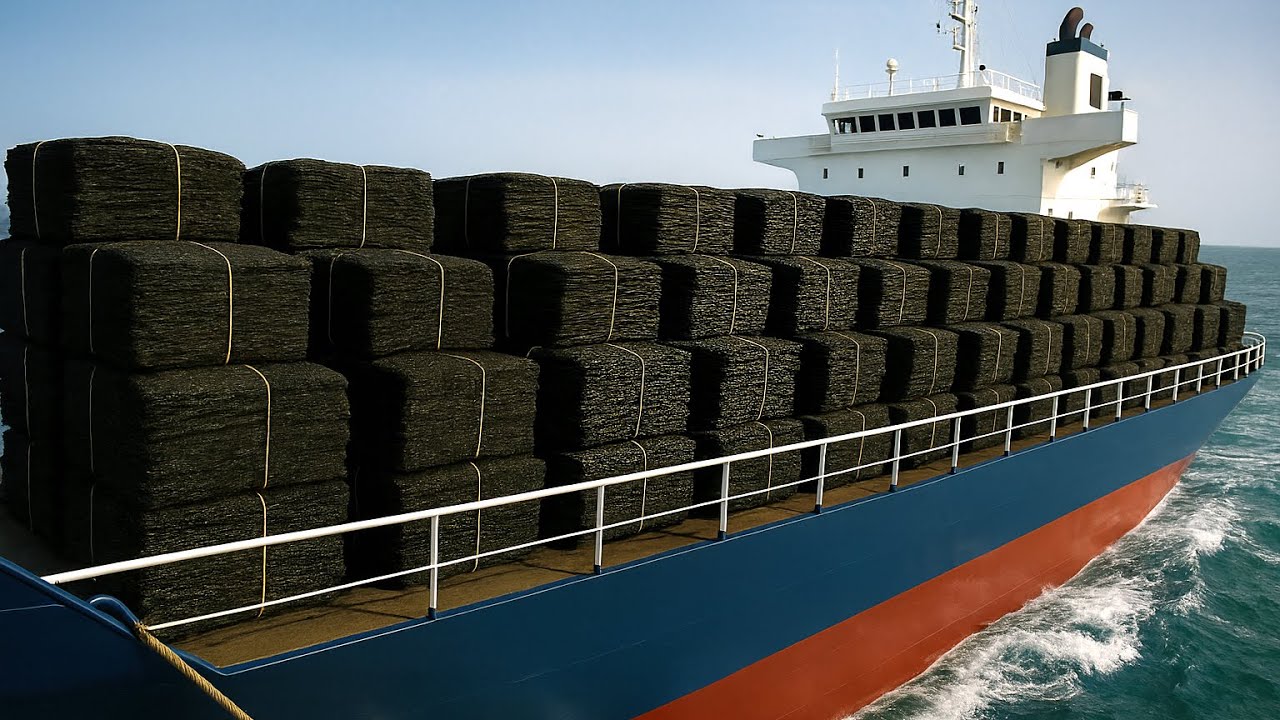
La Corée exporte du gim vers plus de 100 pays, les États-Unis, le Japon et la Thaïlande étant parmi les plus grands acheteurs. Les rayons des épiceries internationales proposent désormais les mêmes marques que celles vendues dans les dépanneurs coréens, souvent avec des saveurs légèrement modifiées pour les palais locaux.
Où Acheter des Snacks d'Algues Coréens en Dehors de la Corée
Les snacks d'algues coréens sont désormais disponibles presque partout. H Mart, 99 Ranch, Weee, Amazon, Costco et Trader Joe's proposent les grandes marques coréennes, souvent en formats multipacks pour boîtes à lunch. Bibigo, Yangban, Daechun et Sea Cliff sont les noms que vous êtes le plus susceptible de repérer. Pour des styles plus rares comme le gim bugak haut de gamme ou les saveurs saisonnières en édition limitée, un abonnement aux snacks coréens est le moyen le plus fiable d'accéder à toute l'étendue de ce qui est proposé sur les étagères coréennes.
Découvrez les Snacks Coréens avec Daebak
Vous aimez la cuisine coréenne ? Recevez des snacks et des ramens coréens authentiques directement chez vous avec la SnackFever Box de Daebak.


