


Table of Contents
South Korea is a hiker's paradise that most first-time visitors overlook. Roughly 70 percent of the peninsula is covered in mountains, and Korea has invested heavily in maintaining and signposting its trail networks. You will find rest shelters, clean spring-water points, and routes marked in both Korean and English. Whether you want an afternoon walk above central Seoul or a multi-day ridge traverse in Jirisan, here are five Korean hikes worth planning a trip around.

1. Bukhansan National Park, Seoul
Bukhansan is one of the world's only national parks located entirely inside a major city. Its granite peaks rise dramatically above northern Seoul, and the Baegundae summit at 836 meters delivers a 360-degree view of the metropolis. The most popular route starts at Gupabal Station on Subway Line 3, where Bus 34, 704, or 8772 drops hikers at the Bukhansanseong Fortress entrance. From there the trail climbs past the Joseon-era stone fortress walls before scrambling up to the rocky summit. Spring azaleas and autumn foliage make the park especially beautiful in season, and casual sneakers will not cut it on the granite near the top.
2. Seoraksan National Park, Gangwon Province
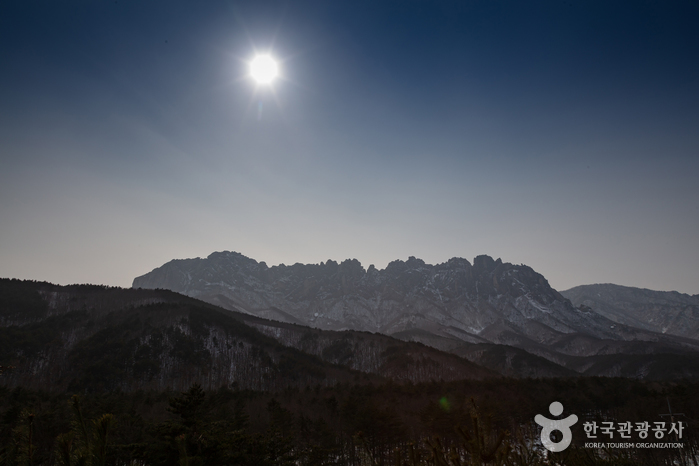
Seoraksan is widely considered Korea's most beautiful national park and is one of the most scenic in all of Asia. Its dramatic granite spires, deep river gorges, ancient Buddhist temples, and waterfalls feel painted rather than real. The signature day hike is the Ulsanbawi course, a 7.4 km round trip that climbs to a granite rock formation of six massive peaks. Daecheongbong at 1,708 meters is the highest summit and rewards a full-day push with views to the East Sea. Autumn in Seoraksan is world-class, with vivid layers of red, orange, and gold that have made it Korea's most photographed fall destination.
3. Hallasan National Park, Jeju Island
Hallasan is the highest mountain in South Korea at 1,947 meters and a shield volcano at the heart of Jeju Island. The hike to the summit takes most walkers around five to six hours round trip and passes through distinct ecological zones, from subtropical forest at the lower slopes to alpine meadows and the bare crater rim at the top. The crater holds a small lake called Baengnokdam, which in Korean means "white deer lake," named for the deer that Taoist immortals were said to ride in the mountain's legends. On a clear day the view from the summit extends across Jeju and out toward the mainland. Hallasan is part of Jeju's triple UNESCO designation as Biosphere Reserve, World Natural Heritage, and Global Geopark.
4. Jirisan National Park, South Jeolla and South Gyeongsang
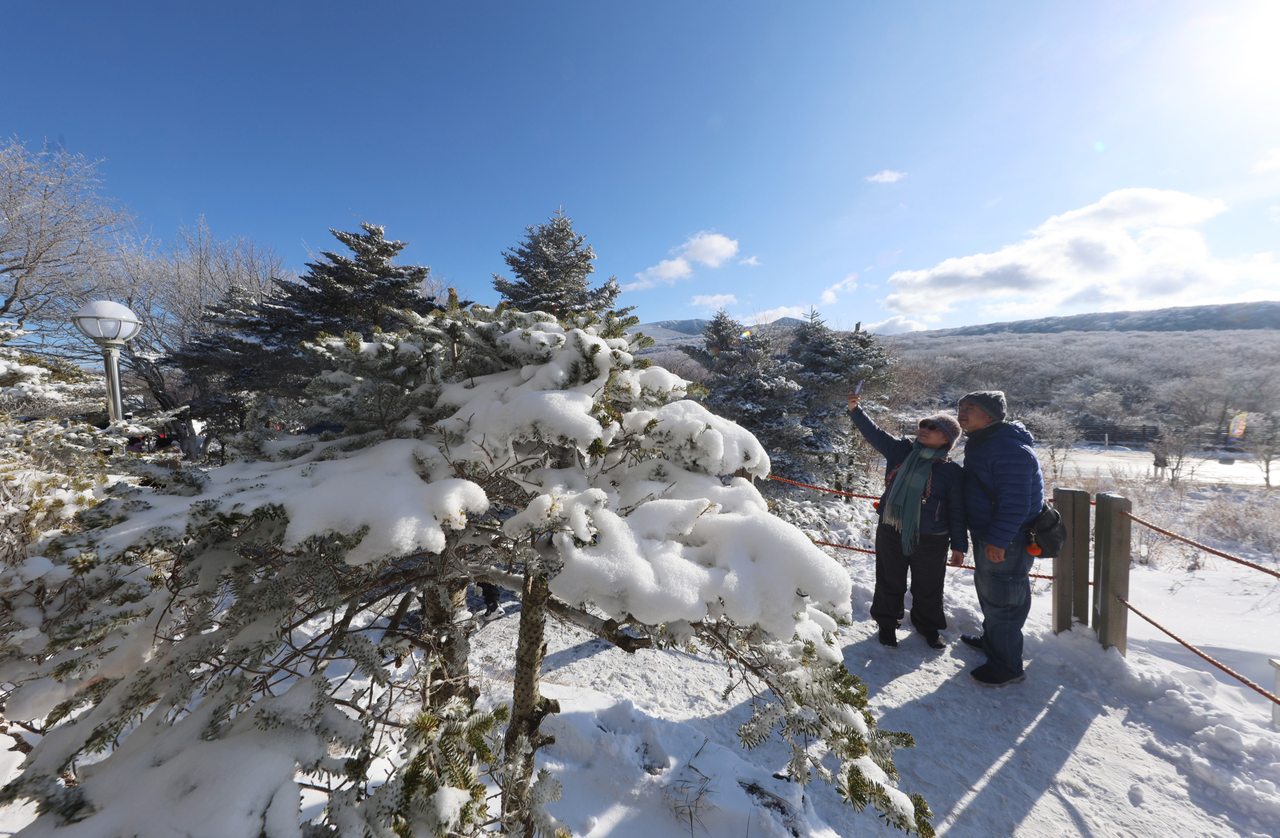
Jirisan is Korea's largest national park and was the country's first, established in 1967. The park spans three provinces and contains the tallest mountain on the Korean mainland, Cheonwangbong, at 1,915 meters. The classic challenge here is the main ridge traverse, roughly 25.5 km from Nogodan in the west to Cheonwangbong in the east, typically done as a three-day, two-night trip with stays in mountain shelters that must be booked in advance through the Korea National Park Service. Day hikers usually aim for Nogodan, famous for its sea of clouds, or push to Cheonwangbong from the Jungsan-ri trailhead. The park is also Korea's most important habitat for the protected Asiatic black bear.
5. Jeju Olle Trail, Jeju Island
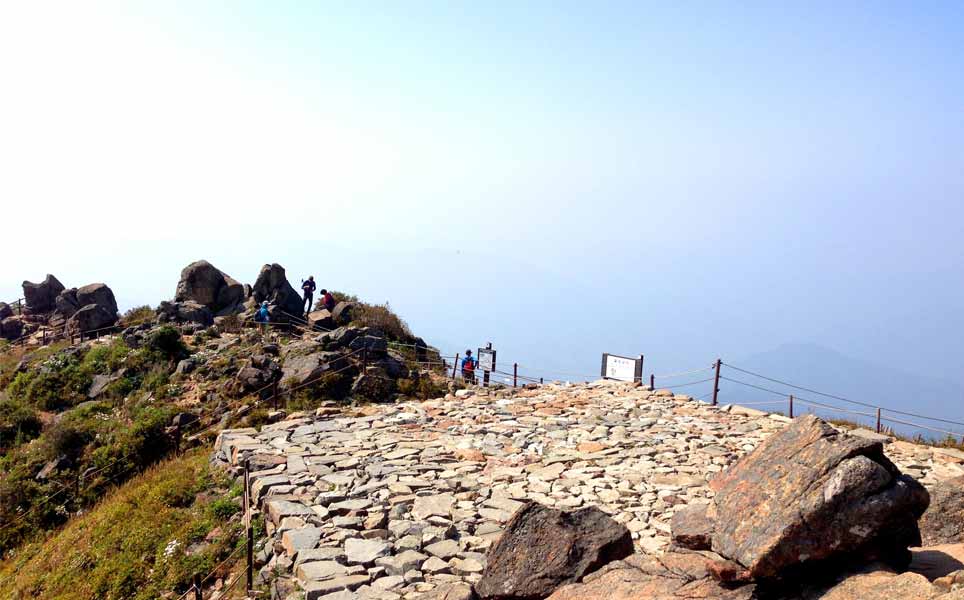
Not every great walk in Korea climbs a mountain. The Jeju Olle Trail is a 437 km network of 27 coastal walking routes that wraps all the way around Jeju Island, threading together cliffs, fishing villages, oreum craters, lava beaches, and stone walls. Each route is roughly 15 km, designed to be walked in a single day with a clear start and finish marked by ribbons and arrows. Route 7, which passes Oedolgae Rock and finishes in Wolpyeong Village, is the most popular among thru-hikers and was listed among the world's top 10 coastal walks by UK magazine Active Traveller. Route 8 was renamed the ASEAN-Korea Olle in 2024 and now features 10 benches representing each ASEAN nation.

Explore More of Korea with Daebak
Want to bring a little piece of Korea into your life between trips? The Daebak Box is packed with the best Korean snacks, ramen, and cultural goodies delivered monthly to your door, perfect fuel for planning your next adventure on a Korean trail.


