Hyunwoo Cho

Hyunwoo Cho

With over 10 years of experience in the Hallyu industry, Hyunwoo has dedicated his career to connecting Korean culture with the world. As the founder of Daebak, he works closely with Korean brands and stays ahead of the latest trends to deliver an authentic taste of Korea to fans globally.

Korean friends eating black jajangmyeon noodles together on April 14 Black Day in Seoul wearing dark colored clothing

Korean Black Day (April 14): Singles Day and the Jajangmyeon Tradition

Hyunwoo Cho

Table of Contents

Every April 14, single Koreans put on dark clothes, head to their nearest Chinese-Korean restaurant, and order a bowl of jajangmyeon, the iconic black bean noodle dish. This is Black Day (블랙데이), Korea's unofficial "Singles' Day" and one of the most charming entries on the Korean love calendar. It is a holiday for everyone who did not get chocolate on Valentine's Day, did not give candy on White Day, and now needs a moment of half-ironic self-pity over a plate of noodles.

This guide walks through everything worth knowing about Korean Black Day: what it is, why jajangmyeon is the official dish, how it fits into Korea's 12-month love calendar, where to celebrate it in Seoul, and how it has evolved into a celebration of single life rather than a lament.

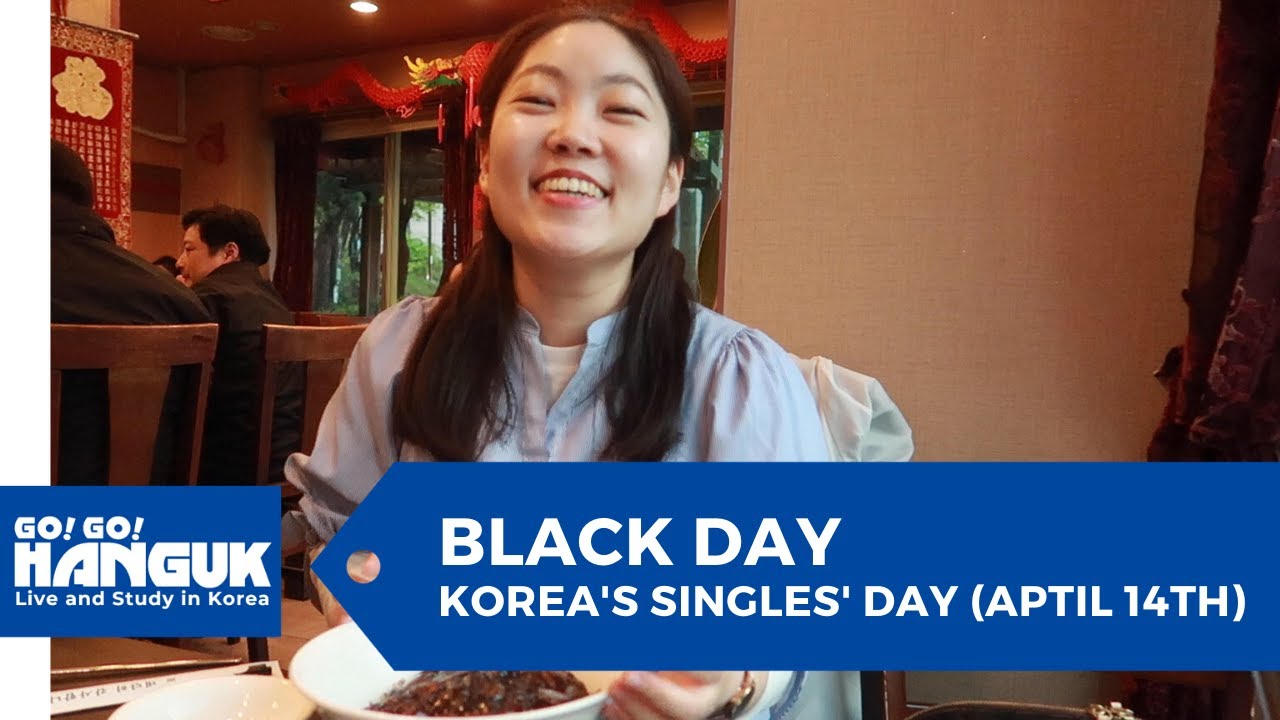
Korean friends eating black jajangmyeon noodles together on April 14 Black Day in Seoul wearing dark colored clothing
Black Day on April 14 is Korea's unofficial Singles' Day, marked by jajangmyeon black bean noodles. | Source: Black Day Korea's Singles Day April 14th on YouTube

What Is Korean Black Day?

Black Day is an unofficial Korean holiday celebrated every April 14 by single people who did not participate in the previous two months of Korean romantic gift-giving. The premise is simple: if you did not receive chocolate on Valentine's Day (February 14) and did not give candy on White Day (March 14), then April 14 belongs to you. The traditional ritual is to wear black clothes, gather with single friends, and eat a bowl of jajangmyeon, the dark, savory Korean black bean noodle dish.

The holiday started in the 1990s as a humorous social commentary on the increasingly commercial nature of Valentine's Day and White Day, and it has since evolved into a legitimate cultural fixture. Korean restaurants and convenience stores now run Black Day promotions, and jajangmyeon sales reportedly spike by 20 to 30 percent every April 14.

Why Jajangmyeon?

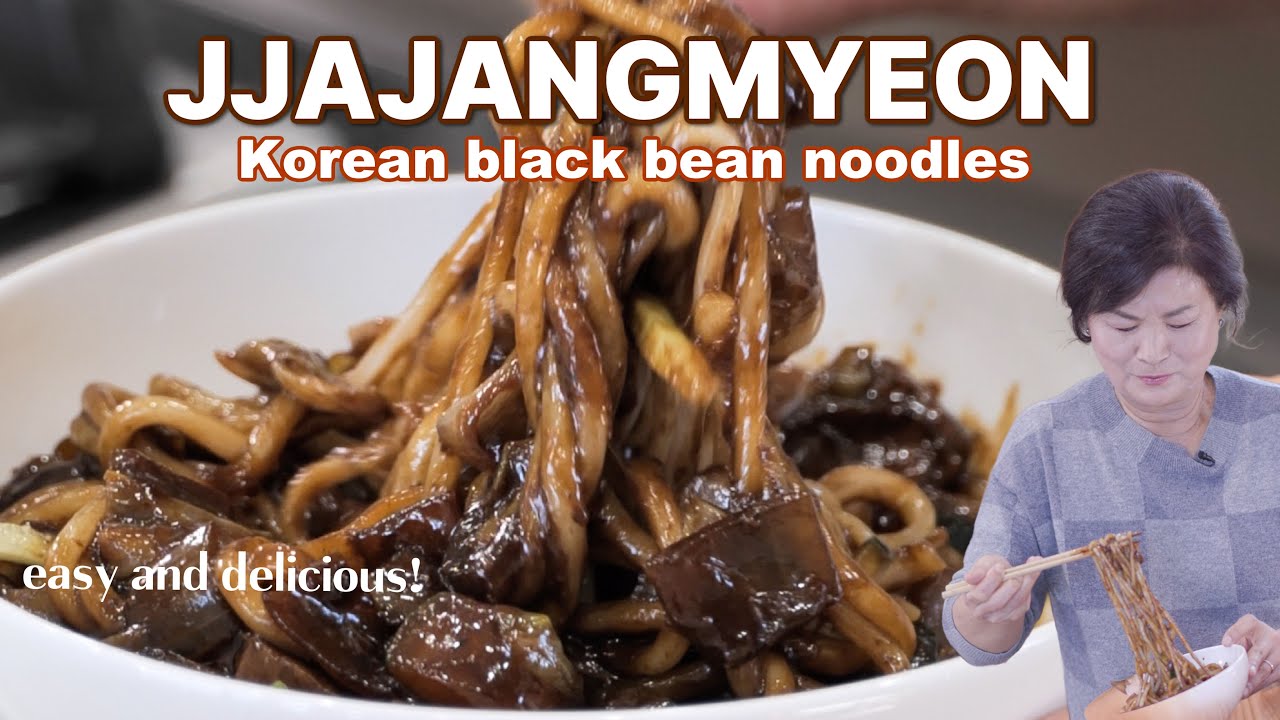
Jajangmyeon (짜장면) is a Korean-Chinese dish of thick wheat noodles topped with a dark, glossy sauce made from chunjang (Korean fermented black bean paste), diced pork, onions, and vegetables. The sauce is almost black, which is where Black Day gets its name. The dish itself is comforting, filling, and cheap (around 6,000 to 8,000 won at most restaurants), and it has long carried a strong association with eating alone or with friends in casual settings.

A bowl of Korean jajangmyeon noodles topped with thick dark black bean sauce diced pork and chopped scallions ready to be mixed and eaten
Jajangmyeon's dark sauce and approachable comfort-food character made it the official dish of Black Day. | Source: Jajangmyeon Korean Black Bean Noodles on YouTube

Korean culture has a long tradition of using specific foods to mark social occasions: tteok-guk on New Year's Day, seaweed soup on birthdays, songpyeon at Chuseok. Black Day continues that tradition by elevating jajangmyeon, a dish that already had cultural associations with bachelor life, students, and people who eat out alone.

The Korean Love Calendar: A Holiday Every Month

Black Day is part of a broader pattern in Korean dating culture. Korea has unofficial monthly love-themed holidays on the 14th of every month, each with its own theme. February 14 is Valentine's Day, when women give chocolates to men. March 14 is White Day, when men reciprocate with candy. April 14 is Black Day for singles. May 14 is Yellow Day or Rose Day for couples. November 11 is Pepero Day, the most commercial of all.

A calendar showing the Korean monthly love holidays Valentine's Day White Day Black Day Yellow Day and Pepero Day with each day's color theme
Korea has a love-themed holiday on the 14th of every month, creating a calendar that includes both couples and singles. | Source: Black Day and White Day in South Korea on YouTube

The other twelve include Diary Day (January), Music Day (June), Silver Day (July), Green Day (August), Photo Day (September), Wine Day (October), Movie Day (December), and the increasingly popular Hug Day (December 14). Not all of them are widely observed, but Valentine's Day, White Day, Black Day, and Pepero Day are universally recognized across Korean youth culture.

How Koreans Actually Celebrate Black Day

Black Day is observed with a mix of humor and genuine sociability. The most common celebration is to gather with single friends at a jajangmyeon restaurant or order delivery to a shared apartment. Some friends color-coordinate their outfits in black, take group selfies wearing sunglasses indoors, and post the results to Instagram with the hashtag #블랙데이.

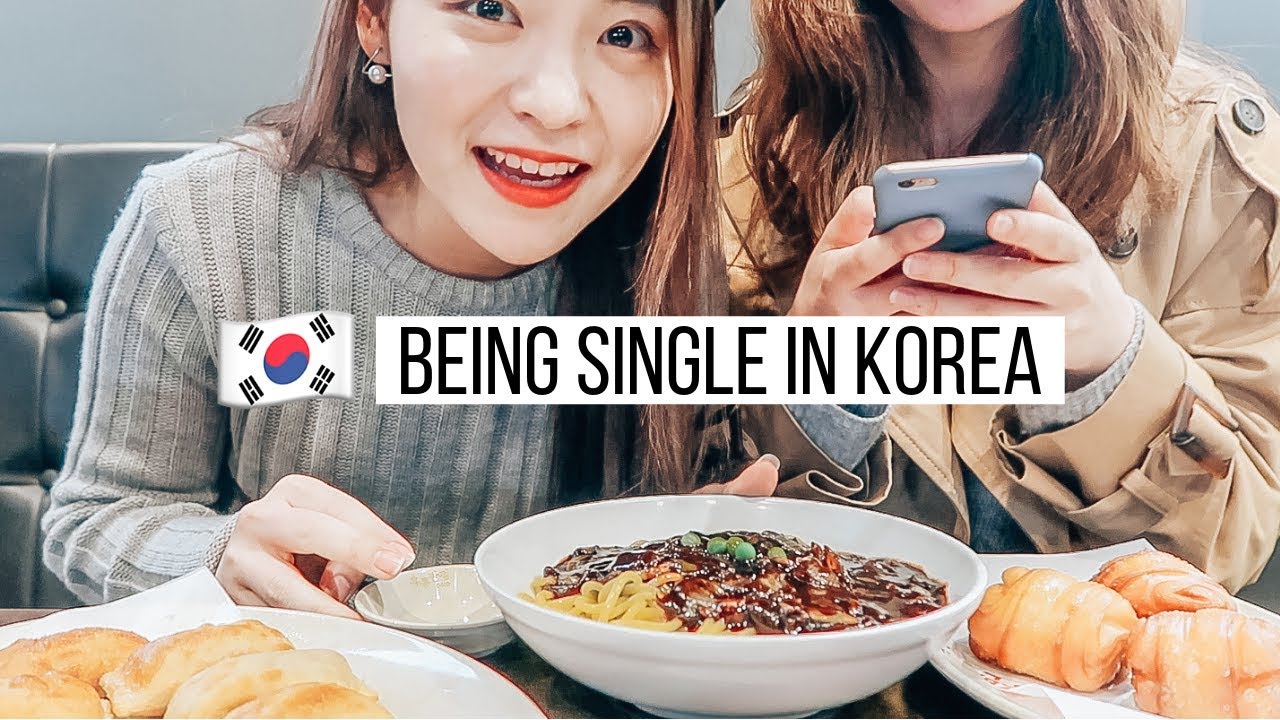
A vlogger sitting alone at a Korean restaurant on Black Day eating a large bowl of jajangmyeon noodles with chopsticks while wearing all black clothing
Many Koreans celebrate Black Day by ordering jajangmyeon delivery and posting their meal to social media. | Source: Black Day in Korea Jajangmyeon Mukbang on YouTube

The mood is rarely sad. Modern Black Day functions more as a Korean version of Galentine's Day, where single people celebrate their independence rather than mourn their lack of a partner. Korean media also runs special Black Day TV segments, dating shows, and singles-themed reality content around the date.

Black Day and Modern Korean Single Life

Black Day has become more culturally important as Korean attitudes toward marriage and dating shift. South Korea's marriage rate has fallen to historic lows, with the average age of first marriage climbing into the early thirties. More Koreans now live alone (honjok, the "lone tribe") and embrace single life as a positive choice rather than a temporary state.

A modern Korean cafe with single customers sitting at individual tables alone using laptops or smartphones representing Korea's growing solo lifestyle culture
Korea's growing single population has turned Black Day into a celebration of independence rather than a lament. | Source: Why South Koreans Choose to Be Single on YouTube

This cultural shift has reshaped Black Day's tone. Where the holiday once carried a faint hint of consolation, it now reads more like a celebration of honjok culture. Korean food trends like honbap (eating alone), honsul (drinking alone), and honyoung (watching movies alone) have all become socially acceptable, and Black Day fits naturally into that ecosystem.

Where to Eat Jajangmyeon on Black Day

Most Korean-Chinese restaurants are crowded on April 14, but a few have built reputations as Black Day destinations. Gaegabang in Seogyo-dong is famous for its hand-pulled noodles and the original-style chunjang sauce. Hojangchon in Sinchon serves a higher-end jajangmyeon with seafood toppings. Suraongan in Apgujeong offers premium versions with pork belly.

If you cannot make it to a restaurant, instant jajangmyeon is its own genre in Korean convenience stores. Chapagetti by Nongshim is the best-selling instant version, and Jin Jjajang by Ottogi runs a close second. Both are widely available outside Korea at Asian groceries. For Black Day at home, cook the noodles slightly al dente, mix the sauce packet generously, and top with a fried egg or chopped cucumber.

Black Day for Visitors and the Korean Diaspora

Black Day has spread beyond Korea through K-drama exposure and the global growth of Korean food culture. Korean restaurants in major US, European, and Southeast Asian cities now run jajangmyeon specials on April 14, and Korean diaspora communities celebrate Black Day alongside their American or local counterparts.

For non-Koreans wanting to participate, the entry point is simple: order jajangmyeon for delivery, wear something black, and post a photo. The holiday is more about humor and self-acceptance than romance, which makes it one of the most accessible Korean cultural moments for anyone curious about modern Korea.

Explore More of Korea with Daebak

Want to bring a little piece of Korea into your life? The Daebak Box is packed with the best Korean snacks, ramen, and cultural goodies delivered monthly to your door.

ブログに戻る