


Table of Contents
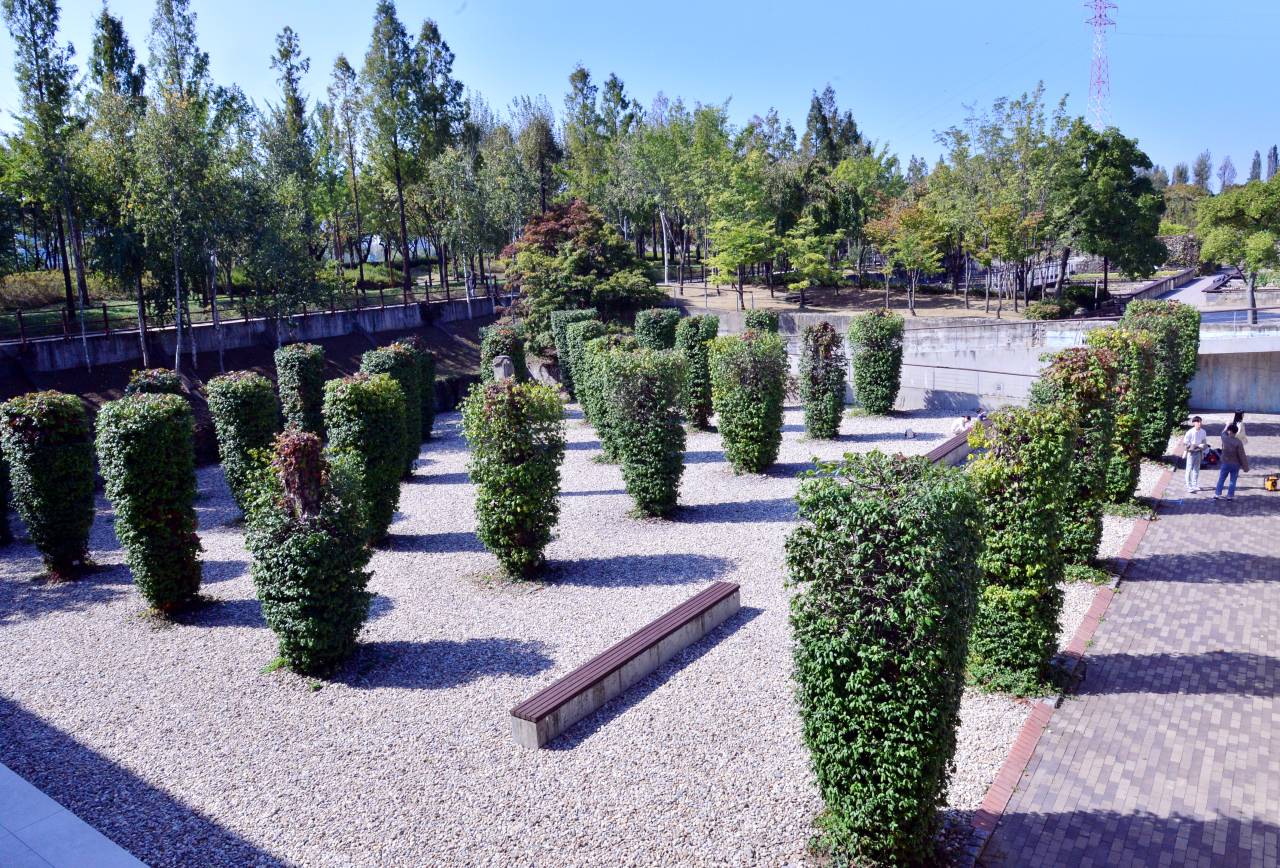
Seoul has a lot of parks, so many that are worth visiting as each have their own quirks and beautiful attractions. One of the most unique parks in Seoul is Seonyudo Park, located on Seonyudo Island, one of the small islands sitting in the middle of the Han River. What makes Seonyudo so different from the others is its long history and how it came to be: a former water filtration plant transformed into an ecological park that perfectly weaves modern industrial structures into nature.
A Long History From Joseon Scholars to Industrial Era
There is a lot of history to this little island. During the Joseon Dynasty (1392-1910), Seonyudo was popular with poets and scholars who enjoyed quiet time in nature on top of the hill that once rose from the island. That all changed in the early 1900s. Under Japanese rule, material from the hill was carried away to stop flooding near the river shore and to build the now empty airfield in Yeouido. The island then remained largely unused until a water filtration plant was built in the 1970s to distribute clean water to the southwestern parts of Seoul.
The filtration plant was closed in the 1990s and moved to another more suitable location. By then, the little island had become an unattractive sight, full of concrete and industrial buildings, far from what it had originally been. In 2000, the island was closed for reconstruction and reimagined by Seo-Ahn Total Landscape and Joh Sung-Yong Urban Architecture. Rather than erase the traces of the old water plant, they chose to include them, creating what landscape critics have called a complex confrontation with the industrial past. Seonyudo Park finally opened to the public in 2002 as Korea's first ecological water park.
How to Get to the Island
The island is located near Yeouido and is accessible by bus and subway. The closest stops are Seonyudo Station on Line 9 or, a little further away on the opposite side of the river, Hapjeong Station on Line 2. From either station, you take a short walk to the island, which is totally worth it. Two bridges connect the island to the mainland: on the western end, the Seonyu Bridge, and on the eastern end, the Yanghwadaegyo Bridge.
The Seonyu Bridge on the west end is a pedestrian bridge that ends in an observation platform. From there, you can see the World Cup Fountain in the river as well as the World Cup Stadium in the distance. If you choose to get off at Hapjeong Station, you cross Yanghwadaegyo Bridge to reach the park. It takes some time to walk across, but the breathtaking view of the city skyline and the river makes up for it.
What to See: Botanical Gardens and Walking Trails
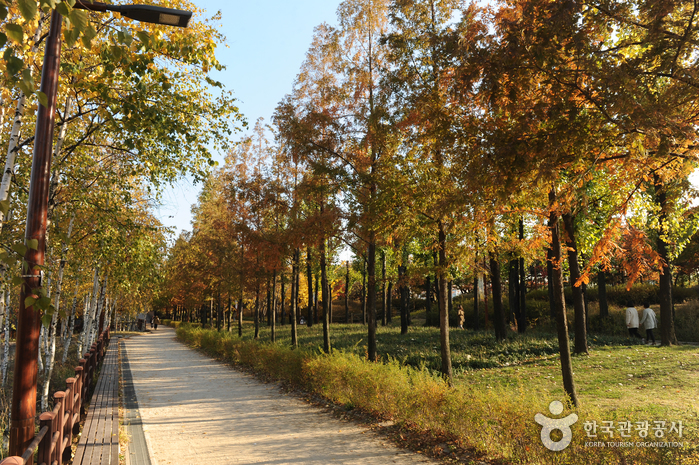
The park has many walking trails and quiet attractions that are perfect for a long evening of exploration. It is divided into several different sections, including themed botanical gardens, a playground, a cafe, and an exhibition hall. Built on 110,400 square meters of land, the park houses four parks and dozens of trails.
One of the highlights at the park is the Han River Exhibit Hall. It displays photos and videos of Seonyudo's past as well as of the Han River itself. For those who want to read more about the island's history before exploring, the visitor's center should be your first stop. The former water-pumping center has been turned into an exhibition hall that documents the river's transformation alongside the city.
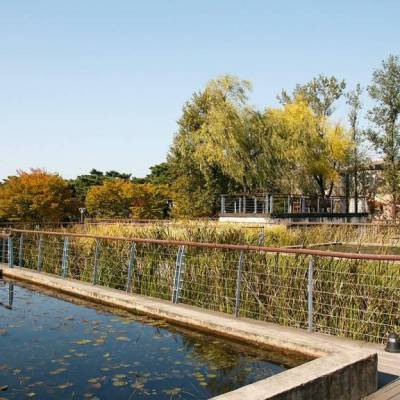
What used to be the filtration plant is now an ecological water purification basin. It is home to an Aquatic Botanical Garden that grows reeds and lily pads, plants chosen specifically to purify water naturally. The aim of the aquatic garden is to bring visitors closer to the water purification process through phytoremediation, instead of the chemical processes that were used in the past. Water purified in this basin supplies the whole island, from the children's water playground to the visitor buildings.
The Garden of Transition and Green Columns
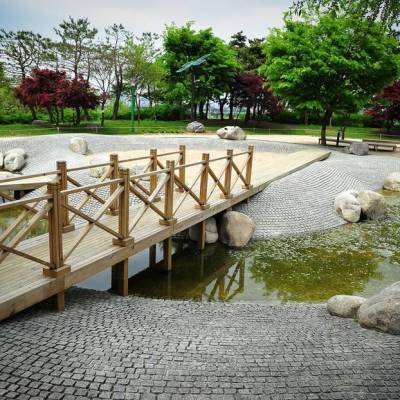
Another aquatic botanical garden is the Garden of Transition, located in the center of the island. It consists of two large water reservoirs with a wooden floored overpass running between them, along with a water conduit and a variety of tall trees planted below floor level. Most of the park has bridges built over the botanical gardens so you can witness the beauty from above and from down below.
Near the water purification garden is a greenhouse that hosts many different species of plants. It is worth a visit, though it can get hot in summer. Outside the greenhouse, smaller themed botanical sections include an aroma garden, a vineyard, and a fern garden, each carved into the geometry of the old plant.
A Playground, a Cafe, and Wild Rabbits
Need a rest after a long day of walking? The former concrete tanks have been repurposed into a playground, an amphitheater, and restrooms. The playground is perfect for families with children, especially in summer when you need a little refreshment. The water is shallow enough that children can splash safely. Cafe Naru offers snacks and beverages to visitors so you do not have to leave the island with an empty stomach.
On a visit, you might be surprised to see signs urging caution about snakes on the island. Really, it can be the last thing you would expect on this peaceful island. If you are lucky, you might also spot wild rabbits, which seem comfortable with people around. Many spots on the island are off limits to keep the grass and growth from damage, so pay attention to those signs.
A Hidden Gem Worth Seeking Out
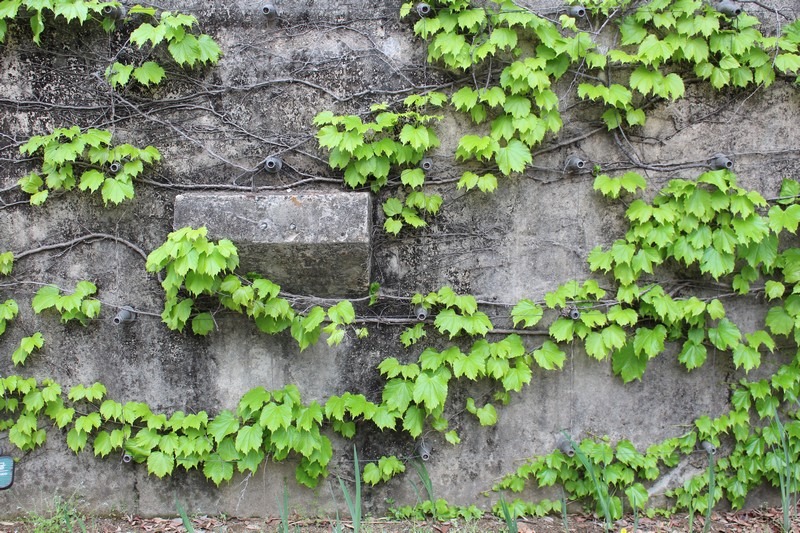
Seonyudo Park has become a popular spot for both locals and visiting tourists, especially photographers who use the ivy covered industrial backdrops for portrait shoots. While it might not be the first place you think of when visiting Seoul, we definitely recommend adding it to your itinerary. Seonyudo offers a great chance for visitors to explore flora and fauna and learn about the long history of the island. It is also a change of pace from the busy life in Seoul, a little paradise where you can catch your breath before heading back into the city.
Explore More of Korea with Daebak
Want to bring a little piece of Korea into your life? The Daebak Box is packed with the best Korean snacks, ramen, and cultural goodies delivered monthly to your door.


