


Table of Contents
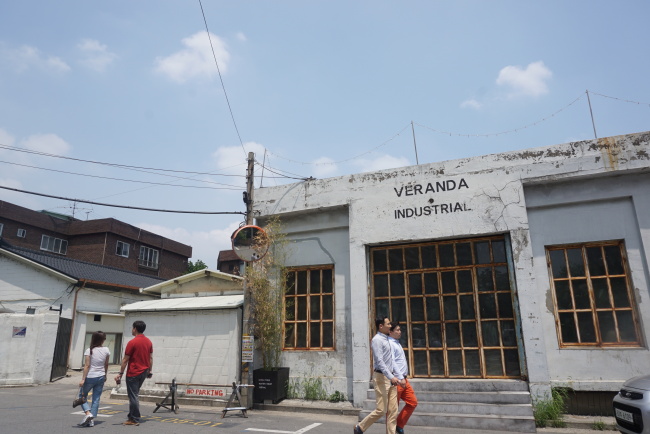
Seoul runs on caffeine, but that undersells it. Korea has crossed 100,000 cafes nationwide, the highest per-capita count on the planet, and by mid-decade the espresso itself stopped being the selling point. The market flipped to aesthetic, texture, and story, which is why the good stuff hides. Naver and Google Maps rank by traffic volume, so if a place still feels like a secret, its regulars are guarding the tag on Instagram. I have been working around Korean lifestyle and content brands for over a decade, and the cafes below are the ones I actually send friends to when they land at Incheon and want the real map, not the Myeongdong-tourist one.
Seongsu-dong: the industrial-chic capital
Seongsu earned the "Brooklyn of Seoul" nickname around 2016, when shoe factories and print shops started leasing to designers who wanted concrete floors, 20-foot ceilings, and cheap rent within walking distance of Seoul Forest. What makes it stick, ten years later, is that the neighborhood still smells faintly of leather glue on hot days. That grit is the whole product.
.jpg)
Anthracite Coffee is the elder statesman. The Hapjeong flagship set the format: buy an abandoned factory, keep the bones, roast on site, refuse the sugary syrup menu. Anthracite now runs four Seoul locations, and the Seogyo branch near Mangwon Station holds a strict "no music" policy because the owner treats a cafe as a reading room. That is the appeal point Western coffee chains never quite crack: Korean specialty cafes are engineered as third spaces for focused solo time, not social-loud coffeehouses. You order once, sit for four hours, and no barista comes over asking if you need anything.
Cafe Onion Seongsu is the most-photographed version of the format. The building was a supermarket, then a repair shop, then a metal factory. The current operators kept every ceiling crack visible, added a communal bakery counter that stacks pandoro and salt bread by 8am, and turned the second-floor mezzanine into what functions as Seoul's most Instagrammable co-working space. Weekend lines run 40 minutes deep. The industry mechanic behind it: Onion runs its aesthetic like a brand studio, which is why the Anguk hanok branch pulled in a viral Instagram tag load within its first two years and effectively rewrote what a Seoul cafe interior should look like.
Layered covers the dessert side. English scones, Victoria sponge, and cream tea sets that lean Anglophile rather than French, which is the current Korean pastry bet: pull customer expectations away from the Paris Baguette chain style toward small-batch, tea-forward, plate-served desserts at 8,000 won a slice. For food-hall energy, the newly opened Glow Seongsu put ten global street-food brands under one roof, from Singapore-style prawn noodles to Chang Chang's viral sugar-glazed menbosha (the shrimp toast that went nova after Netflix's Culinary Class Wars).
Ikseondong: hanok alleys, coffee inside 1930s bones

Ikseondong is a 500-meter grid of narrow lanes tucked between Jongno 3-ga and Insadong, and it is technically Seoul's oldest surviving hanok village. It survived only because the neighborhood was too working-class to be worth demolishing in the 1970s development boom. Around 2015 a musician opened a coffee shop in one of the crumbling houses, an artist rented a ground-floor studio, and within five years the alley became Seoul's densest hanok-cafe cluster.
The must-hit list rotates every quarter because leases turn over fast, but a few anchors have held: Cheongsudang (bakery with the koi pond and bamboo garden), Seoul Coffee (the salt bread pilgrimage site), and Silladang (bingsu inside a hundred-year-old wooden interior). What makes hanok cafes work is not the aesthetic alone. It is the specific texture-play: you sit on a raised wooden floor (마루) with your legs folded, drinks arrive in ceramic rather than paper, and the courtyard means you can hear rain hit the tile roof. Korean visitors post those sensory details more than the drinks themselves.
A caveat any responsible guide should add: the Ikseondong boom has been rough on the actual hanok structures. Reporting by Korea Times and preservation experts flagged that many operators strip out original pillars and plaster walls for a "transparent" hipster look, and the buildings will not survive it long-term. Enjoy the alley now, and if you find an operator who kept the columns intact, tip them well.
Yeonnam-dong and Mangwon: the neighborhood-brunch belt
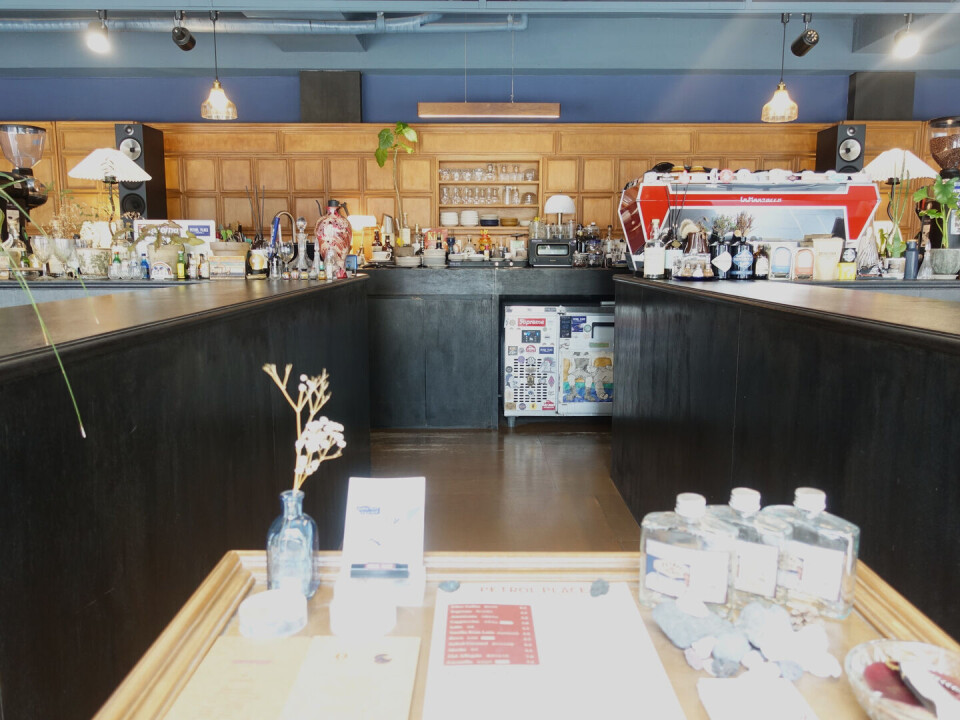
Walk fifteen minutes west of Hongdae Station and you cross into Yeonnam-dong, which locals have quietly rebranded as Seoul's brunch capital. The story matches Seongsu's arc: creatives priced out of Hongdae moved into the taxi-driver diners and Chinese-restaurant strip circa 2010, and the alleys around Dongjin Market are now stacked with 8-seat coffee shops and single-owner wine bars. Salon de Ceylon pulls a milk tea order that takes ten minutes to build. Isim is a hand-drip room where the owner-barista pours from head-height and gives you a full sourcing pitch on whichever bean you picked.
Two stops further out is Mangwon-dong, which caught the same wave in 2016 with its own -ridan-gil commercial alley (Mangnidan-gil, following the Gyeongnidan-gil template that Itaewon set). Mangwon has stayed more residential than Yeonnam, which is exactly why the cafes hit differently. Petrol Place, styled after the idea that people need caffeine the way cars need fuel, runs three curated dessert items on the menu, no more, on deep navy walls with commissioned original art. Eho Coffee, four tables tucked off Mangnidan-gil, works on the 단골 (dangol, regular-customer) model where everyone who walks in knows the owner by first name. The Korean word for this bond is 정 (jeong), an unspoken emotional attachment, and it is the reason Mangwon locals do not want the neighborhood to blow up on TikTok.
Bukchon, Hannam, and Euljiro: the specialty corners

Cha Masineun Tteul (차 마시는 뜰) sits in Samcheong-dong, a slow-brewed Korean tea house set in a hanok with a garden view. The menu leans traditional: daechu-cha jujube tea, omija-cha five-flavor berry tea, walnut cakes, and seasonal hangwa confections plated on hand-thrown ceramics. It is the counterweight to the Instagram-cafe circuit, and honestly the one I book when a director flies into Seoul and the meeting has to feel dignified.
Hannam-dong runs a quieter game. This is where the fashion-industry crowd goes: Cauliflower Cafe for oat flat whites and photographer-loft interiors, Tartine Blue Bottle Hannam for the Japanese-import specialty crowd, and unmarked nooks tucked behind Comme des Garcons where the drink menu is chalkboarded and the barista used to work at Onion. Expect a 9,000 won latte and a 25,000 won brunch plate. Unit economics of a Hannam indie cafe run on 15,000 to 25,000 won spend per visit, and roughly 60 percent of weekend revenue is Instagram-driven walk-in traffic.
Euljiro (을지로) is the sleeper. The daytime blocks around Euljiro 3-ga Station are printing shops and hardware wholesalers, but at night an entire retro-Y2K bar-and-cafe scene lights up in the second and third floors of run-down office buildings. Euljiro Dabang pulls the nostalgia lever hard: dim yellow lamps, hand-drip menu on carbon-copy receipt paper, pastries served with a spoon on a saucer, 1980s-style. This scene is called 힙지로 (Hipjiro), a portmanteau of hip and Euljiro, and it has been the district most protected from tourist Instagram overflow because you genuinely cannot find the entrances without the address text-messaged to you.
Why Seoul cafe hopping became a global export
Cafe hopping in Seoul stopped being a leisure activity around 2019 and became a legitimate content format. A half-day itinerary of three or four cafes, each with a different visual language, is the base template for a Seoul TikTok pilgrimage. Chinese and Southeast Asian tourists were booking guided cafe tours through Klook and Kkday by 2023, and by 2025 most new Seongsu operators keep at least one bilingual menu QR at the counter.
The appeal point that makes this specifically Korean, not a general Asian coffee thing: Korean cafes are engineered to be photographed and lingered in. Western cafes are usually one or the other. In Seoul, an operator will drop 300 million won on interior design because the visual pays back through Instagram and Naver Blog exposure, then subsidize the drink price so customers stay four hours and generate more content. It is a media business dressed as a coffee shop. Once you see the model, every alley in the city reads differently.
If a Seoul trip is on your calendar, block a whole day for Seongsu, a half-day for Ikseondong, and a slow Sunday for Mangwon. Skip the Myeongdong chain outlets. And if you cannot fly out yet, we ship a lot of the Korean snacks, drinks, and pantry finds that keep showing up in these cafes straight to your door.
Grab a SnackFever Box for a curated shipment of the same limited-edition Korean snacks the Ikseondong bakeries and Seongsu concept cafes are quietly serving on their side menus, delivered monthly.


