


Table of Contents
Ask a Korean when their real birthday starts and the honest answer is: the moment mom lifts the pot of 미역국 off the stove. Everything else, the cake, the candles, the Weverse livestream, the fan-rented cafe in Hongdae, comes after that bowl. I have spent over a decade around K-content marketing rooms and one thing I keep telling international brand teams: Korean birthdays are not a single event, they are a life-stage system, and you cannot pitch a birthday campaign here without knowing which stage you are aiming at.
미역국 (Miyeok-guk): The Quiet Ritual That Actually Matters
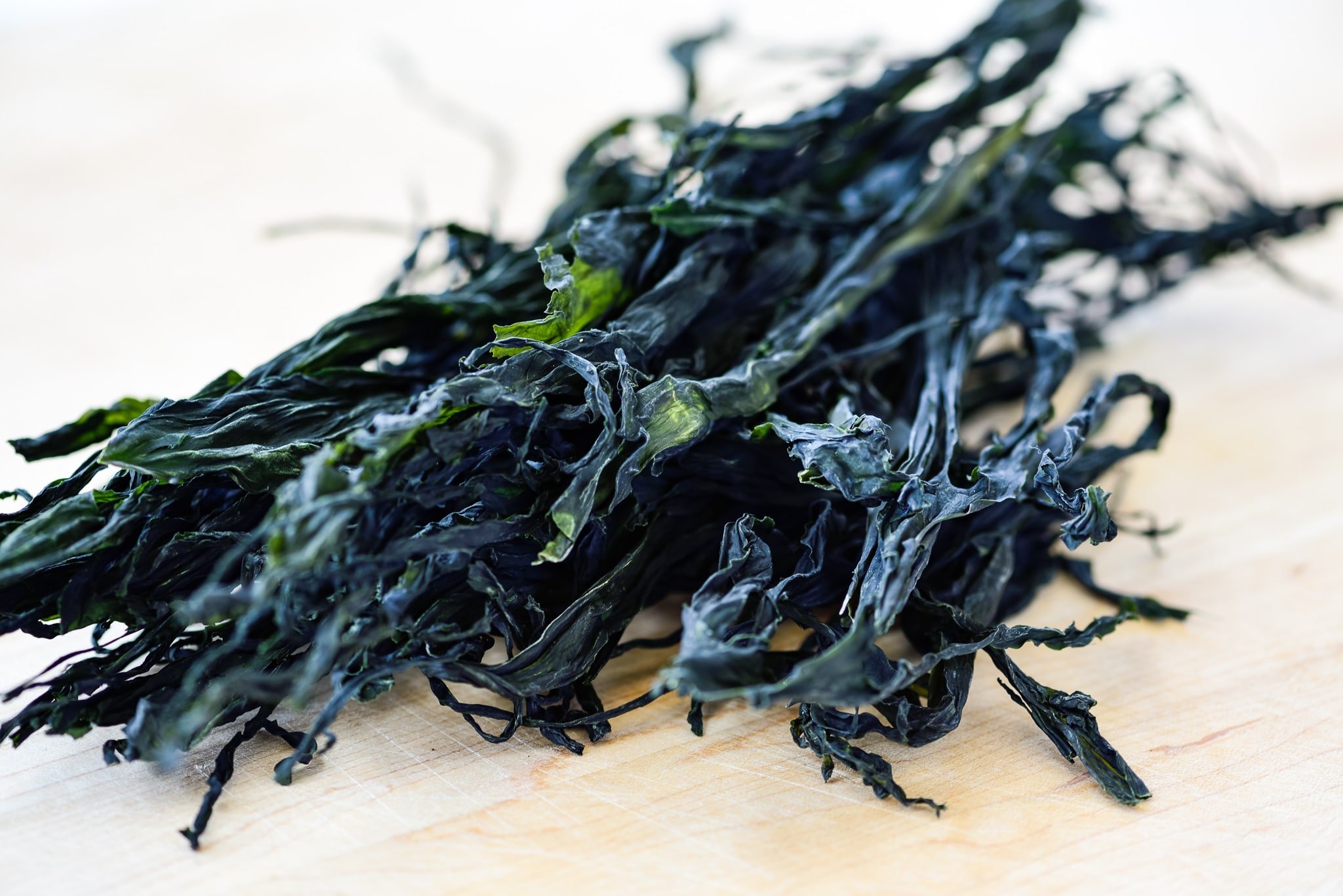
Before the party, before anything, there is 미역국. Seaweed soup, usually made with beef brisket or mussels, simmered slow until the broth turns almost milky from the miyeok breaking down. On your birthday morning, your mother makes it. That is the rule, and it is not sentimental fluff. Miyeok is what Korean women eat for weeks after giving birth because it is dense with iodine, calcium, and iron, which help postpartum recovery and milk supply. Eating it on your birthday is a quiet way of saying thank you to the person who ate it for you first.
The appeal point that keeps this alive even for Gen Z Koreans who otherwise skip tradition: it is one of the few rituals with zero performance element. No photos required, no gift exchange, no group text. You just eat the bowl. In a hyper-visible K-culture where every 생일 becomes an Instagram carousel, 미역국 is the one moment that stays offline.
돌잔치 (Doljanchi): The First Birthday and the Doljabi Prophecy
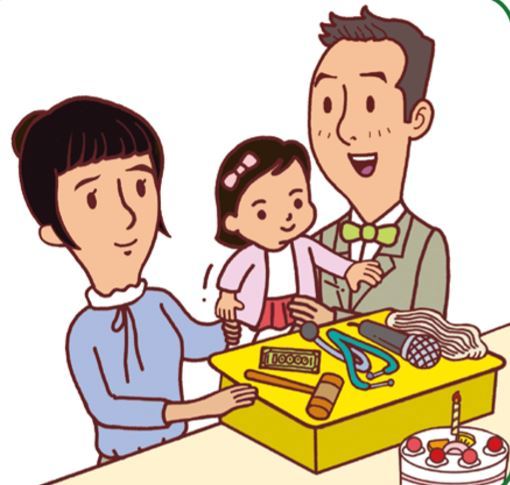
A baby's first birthday, 돌, is the big one. Historically the ceremony existed because infant mortality in pre-modern Korea was brutal, and surviving 12 months was a genuine milestone. The ritual survived even after modern medicine made survival routine, because Koreans repurposed it into something else: a family showcase and, more recently, an Instagram-grade production.
The centerpiece is 돌잡이 (doljabi). The baby, dressed in a tiny hanbok, is placed in front of a table of symbolic objects. Traditional items include a brush (scholar), thread (long life), rice (wealth), and a bow (military). Modern doljabi tables now include a mic (idol career), a stethoscope (doctor), a soccer ball (athlete), a computer mouse (tech), even a tiny gavel (judge). Whatever the baby grabs first is the running joke of that child's next 30 years. Watch any K-drama where a character is a lawyer, and there is a 70 percent chance a flashback shows them grabbing the gavel.
Why it still works commercially: the 돌잔치 industry in Korea is a multi-billion-won ecosystem of hotel banquet halls, hanbok rental, photo studios, and doljabi prop sets. A mid-range Seoul 돌잔치 runs 3 to 8 million won. That is not tradition for tradition's sake, that is a market with real vendor competition, and the reason young Korean parents still book it is the same reason weddings persist: it is the socially legible way to introduce your kid to the family network.
60살 환갑 (Hwangap) and 70살 고희 (Gohui): The Cycle-Complete Birthdays
Turn 60 in Korea and, historically, you get a 환갑. The number matters because the traditional Korean calendar runs on a 60-year sexagenary cycle (10 heavenly stems x 12 zodiac animals), and 60 is the year you loop back to the exact stem-branch combination you were born under. Symbolically you have finished a full rotation of the universe. Practically it used to mean: you survived when most people did not, so the family throws a huge feast, kids bow in age order, offer wine, and give a speech.
Here is what has shifted, and this is the insider read that most surface guides miss. As life expectancy in Korea pushed past 83, the emotional weight of 환갑 got diluted. Making it to 60 stopped being remarkable, so the big party migrated up. Now the loud celebration is 고희 (70th, from Du Fu's line "70 years is rare in life") or 팔순 (80th). Many Korean 60-year-olds now do a quiet family dinner or, more likely, a family trip overseas (Jeju, Japan, Vietnam are the top three). If you are watching a K-drama and a character throws a lavish 환갑, it is a period signal, that scene is coded as "old-school family, probably rural, probably conservative."

Cakes and Candles: The Western Import That Colonized 생일
The strawberry-cream cake with candles is not Korean, but Koreans took it and made it their own to the tune of a roughly 2 trillion won annual bakery cake economy dominated by 파리바게트 (Paris Baguette) and 뚜레쥬르 (Tous les Jours). Walk into any Paris Baguette on a Friday afternoon in late fall and the freezer wall is 80 percent birthday cakes, most of them the same generuic pink-and-white strawberry cream sponge that has become the visual shorthand for a Korean birthday.
What is genuinely Korean about it: the ritual sequence. Song first (birthday song, then the Korean version), lights off, candles blown, then the person cuts and hands out slices before eating themselves. Also the fork-in-face gag, which is basically a Korean-specific bit where friends casually push the birthday person's face into the cake right before the first slice. Idol variety shows built entire episodes around this gag, and the reason it lands is that it is affectionate hazing, the same social muscle behind the group-drinking somaek bomb at 회식 (company dinners).

생일카페 (Birthday Cafes): The K-pop Fan Ritual That Runs Like an Ad Agency
Now the K-pop layer, which is where the birthday economy gets genuinely weird and interesting. When an idol's birthday hits, fans rent out actual cafes (mostly around Hongdae, Ikseondong, and Seongsu in Seoul) and re-decorate them, wall to wall, with prints, cupcake toppers, lightstick displays, and custom photocard freebies. Fans reserve the venue, negotiate a menu markup, print branded cup sleeves, hire designers on Ggam or Naver Grafolio for exclusive ban art, and coordinate the whole thing through open KakaoTalk chats and Twitter (still Twitter, not X, in K-pop fan slang).
The visitor experience: you order any drink, and you get a stamped card, a set of photocards, a custom sticker, and permission to photograph the entire installation. Some cafes run for one day, others for a full weekend, and popular idol birthday cafes (BTS Jungkook, Seventeen Mingyu, IVE Wonyoung tier) draw lines around the block. Announcements go live on Weverse and Twitter about two weeks out.
Why fans pour money into this instead of just buying merch: it is a form of public claim-staking. A birthday cafe visible on Instagram tells other fans "our fandom cares, our fandom shows up, our fandom has aesthetic taste." For rookie groups, having a fan-organized cafe is a legitimacy marker that agencies quietly track. HYBE and SM PR teams monitor 생일카페 turnout as a soft KPI for member popularity. It is the K-pop version of a grassroots ad campaign, funded and staffed entirely by fans.
2023 만 나이 Law: The Age Reset That Recalibrated a Country
Until June 2023, Koreans carried three ages simultaneously: 세는나이 (counting age, you are 1 at birth, +1 every Lunar New Year), 만 나이 (international age), and 연 나이 (year age, used for military and school). Meeting someone new, the first calibration was always "How old are you? 만으로?" On June 28, 2023, the government made 만 나이 the legal standard for all civil and administrative purposes. Overnight, most Koreans got one or two years younger.

The cultural knock-on is subtle but real. Birthdays now carry a bit more individual weight because your age changes on your actual birth date, not collectively on January 1 (Lunar New Year, when everyone used to age up together with a bowl of 떡국). The shared communal age-up moment is fading, and the individual 생일 is quietly taking over as the age-marker. Marketers noticed fast: Korean beauty and wellness brands started pushing personalized birthday DM coupons in late 2023, exploiting the fact that your birthday now legally means something it did not before.
Explore More of Korea with Daebak
Want to bring a little piece of Korea into your life? The Daebak Box is packed with the best Korean snacks, ramen, and cultural goodies delivered monthly to your door.


