


Table of Contents
Shopping in Korea is its own destination. Seoul alone has more square footage of premium retail per capita than almost any city in the world, and the experience spans everything from underground night markets in Dongdaemun to seven-story luxury department stores in Apgujeong. Most first-time visitors leave with at least one extra suitcase, and many come back specifically to shop.
This guide walks through Seoul's main shopping districts, the biggest department store chains, the best markets, the tax refund and duty-free system, and the seasonal sales that turn already-good prices into excellent ones.
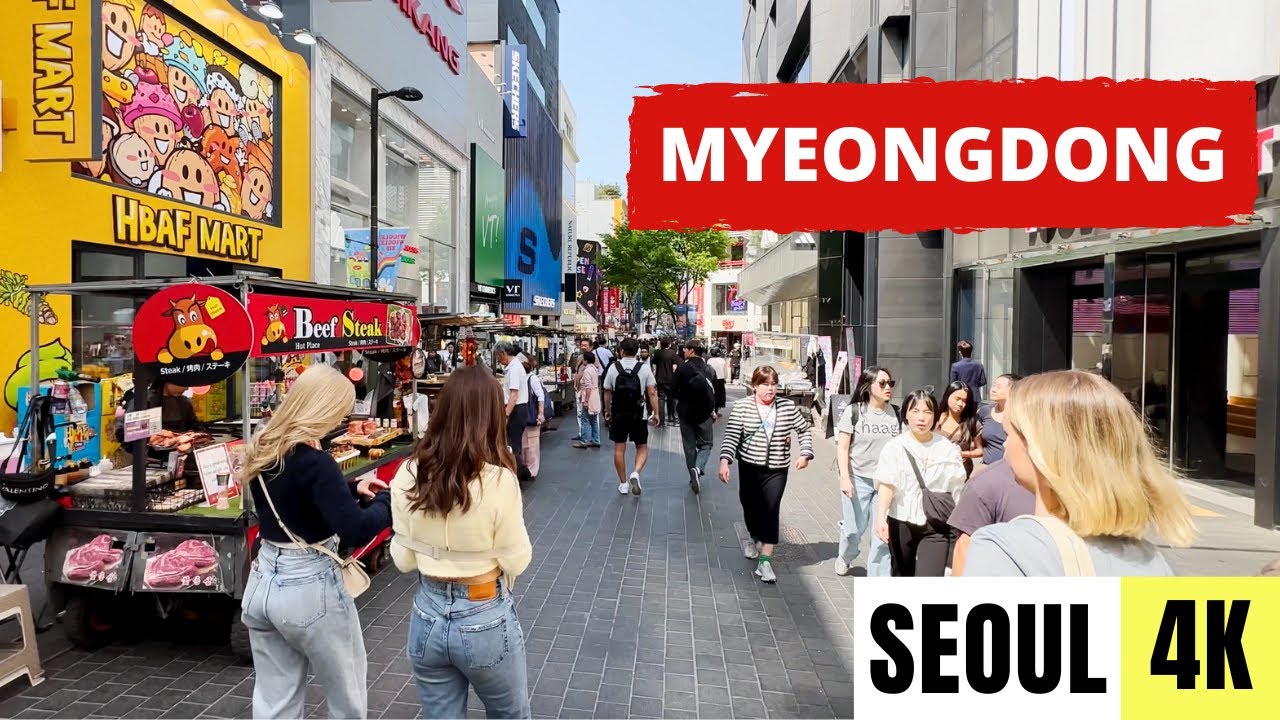
Myeongdong: The Default First-Time Shopping District
Myeongdong is the busiest shopping district in Seoul, packed into roughly four square blocks just north of Namsan. The neighborhood specializes in three things: K-beauty (Innisfree, Etude House, Nature Republic, The Saem, and dozens of multi-brand stores like Olive Young), fast fashion (H&M, Zara, Uniqlo, Spao), and street food carts that line the central pedestrian street every evening.
The neighborhood is overwhelmingly tourist-oriented, which means stores accept multiple currencies, speak basic English/Chinese/Japanese, and offer instant tax refunds at the register. Prices are slightly higher than less touristy districts, but the convenience and concentration of stores make Myeongdong the easiest starting point for first-time visitors who want to cover a lot of brands in a few hours.
Korean Department Stores: Lotte, Shinsegae, and Hyundai
Korea has three major department store chains and they are nothing like American or European department stores. Lotte, Shinsegae, and Hyundai operate sprawling luxury complexes that combine high-end fashion, premium beauty, full-service grocery floors, themed restaurant floors, and often an attached theme park or aquarium.

Lotte Department Store has its flagship in Myeongdong and a massive luxury annex called Lotte Avenue L. Shinsegae Department Store in Myeongdong and Gangnam is widely considered the most upscale and includes a famous food hall in the basement. The Hyundai Seoul in Yeouido is the newest and most architecturally impressive, with a 12,000-square-meter indoor garden and a strong focus on younger Korean designers. All three chains offer multilingual concierge service and tax refunds at flagship locations.
COEX Mall: The World's Largest Underground Mall
COEX Mall in Gangnam is the largest underground shopping complex in the world. Spanning over 460,000 square meters, the mall connects directly to Bongeunsa Temple, an aquarium, a casino, and the COEX convention center via a maze of pedestrian tunnels. The famous Starfield Library inside the mall has become a tourist destination in its own right.
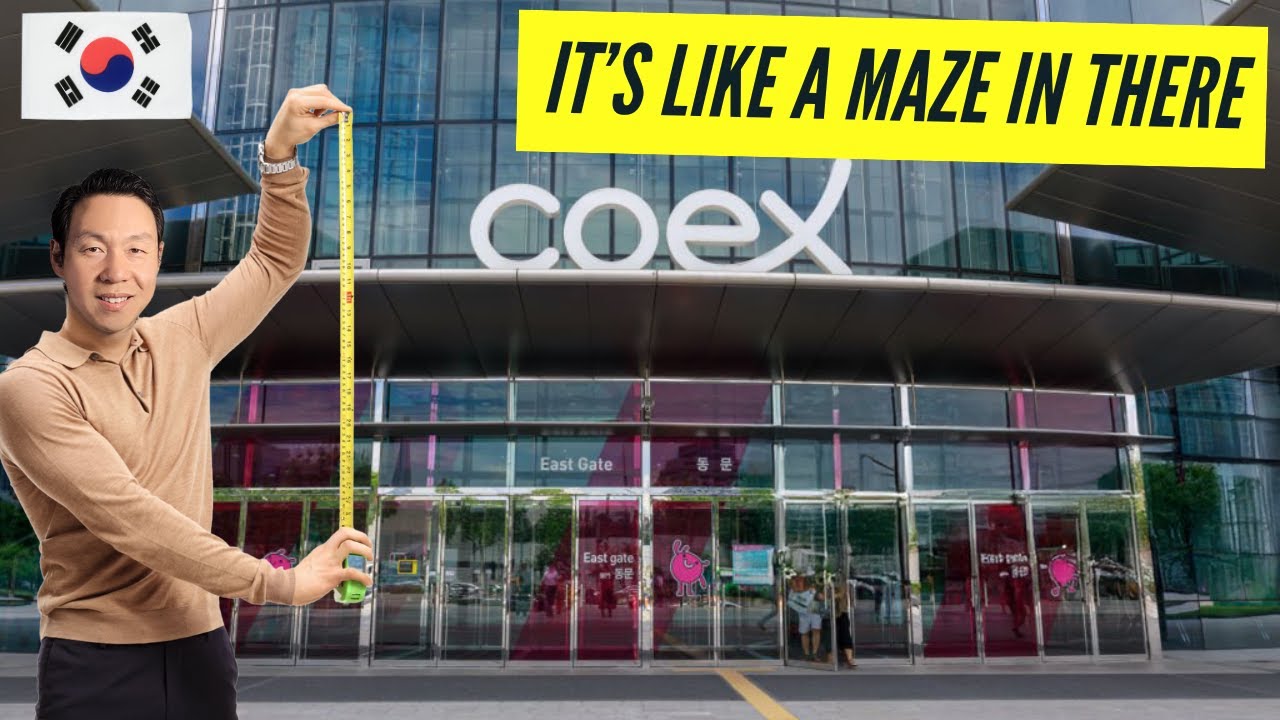
Beyond the library, COEX has hundreds of mainstream brands, a Korean entertainment center, a major bookstore, and a strong selection of restaurants on the food floor. The mall is most useful as a one-stop shopping destination on a rainy day or when you want to avoid the summer heat. Direct subway access from Samseong Station on Line 2 makes it easy to reach from anywhere in Seoul.
Dongdaemun: The Late-Night Fashion District
Dongdaemun is where Korean fashion happens at wholesale speed. Eight massive fashion malls including Doota, Migliore, Apm, and the newer Hyundai City Outlets cluster together in a single dense district that stays open until 5 a.m. The shopping experience is the opposite of Myeongdong: lower prices, sharper trends, faster turnover, and significantly less English signage.

Dongdaemun is also where Korean small business owners come to buy inventory in bulk. If you are shopping for personal use, the same items are available individually at a slight markup. The neighborhood is busiest from 10 p.m. to 3 a.m., when wholesale buyers from across Asia descend on the markets. For tourists, the daytime hours (around noon to 8 p.m.) are calmer and more navigable.
Hongdae and Seongsu: Youth Fashion and Creative Brands
For trendier, more independent Korean fashion, head to Hongdae or Seongsu. Hongdae, near Hongik University, is packed with affordable streetwear shops, vintage stores, and K-pop fan merchandise stores. The neighborhood feels like a younger, more art-school version of Myeongdong and is the best starting point for vintage Korean designer pieces and indie sneakers.
Seongsu-dong, sometimes called "the Brooklyn of Seoul," has emerged as the most fashionable shopping district in Korea over the last five years. The neighborhood is built around converted shoe factories and red-brick warehouses that now house flagship stores for Korean designer brands like ADER Error, Anonymousism, and Casetify, along with concept stores from international names like LCDC and Showcasing.
Korean Markets: Gwangjang and Namdaemun
Korea's traditional markets are part shopping, part food experience. Gwangjang Market is the most famous: a sprawling food and textile market in Jongno where you can buy hanbok, antique Korean ceramics, sundubu, and the legendary mung bean pancakes (bindaetteok). The market has been operating since 1905 and is one of Seoul's most photographed locations.
Namdaemun Market is the largest traditional market in Korea and the place locals send tourists when they want a less-curated experience than Myeongdong. The market is famous for hanbok wholesalers, knockoff luxury goods (buyer beware), ginseng and dried foods, cheap reading glasses, and the legendary kalguksu noodle alley where rows of identical stalls serve hand-cut noodle soup at lunch.
The Korean Tax Refund and Duty-Free System
Foreign tourists in Korea can claim a VAT refund on purchases of 30,000 won or more at participating stores. The store gives you a refund slip at checkout, which you redeem either at refund kiosks inside major malls (instant refund), at the airport before checking your bags (kiosks at Incheon and Gimpo), or by mail after returning home.

For larger purchases, Korea also has a strong duty-free network including Shilla, Lotte, and Shinsegae duty-free stores, both in-city and at the airport. Duty-free prices are usually 10 to 30 percent below regular retail, especially for K-beauty and Korean designer brands. Always bring your passport when shopping (required for both tax refund and duty-free), and keep receipts together in one envelope to streamline the airport process.
Korean Shopping Seasons and Sales
The two biggest Korean shopping seasons are the Korea Sale Festa (typically November) and the K-Sale Days (typically June and December). Both events offer aggressive discounts at major department stores, online retailers, and brand stores. Korean Black Friday is gaining popularity but still smaller than the US version.
For K-beauty, the best deals appear during the September and December seasonal launches, when stores discount older formulations to make room for new releases. For Korean designer fashion, look for the Seoul Fashion Week sample sales in late October and March.
Explore More of Korea with Daebak
Want to bring a little piece of Korea into your life? The Daebak Box is packed with the best Korean snacks, ramen, and cultural goodies delivered monthly to your door.


